When you invest in a gaming PC, there are a few questions you might have. How long does a gaming PC last? When is it time to upgrade or replace it?
On average, a gaming PC lasts five to eight years, depending on how it is used, how well it is maintained, and whether you upgrade components over time. Whether you are buying a prebuilt PC, using our Gaming PC Builder, or looking for a workstation, understanding how long will a gaming PC last and how to extend its lifespan can help you get the best long-term value.
Let’s break it down.
Average Lifespan of a Gaming PC
A modern gaming PC is built to handle demanding workloads, long gaming sessions, and evolving software requirements.
Here is what most users can expect.
Three to four years of playing the latest games at high settings
Five to eight years of strong overall usability with minor adjustments or upgrades
Eight plus years for esports titles and productivity
If you want to know how long should a gaming PC last, the answer often comes down to how willing you are to upgrade key components like your GPU or RAM. High quality gaming PCs from iBUYPOWER are designed with balanced components and upgrade flexibility, helping systems stay relevant longer than many alternatives.
What Impacts How Long a Gaming PC Lasts
Several factors determine how long a gaming PC will last, from the hardware to general maintenance.
Hardware Quality
Component quality is crucial to longevity. Reliable CPUs, GPUs, power supplies, and cooling solutions help prevent early failure. A prebuilt PC from iBUYPOWER uses carefully selected parts to ensure stability and long-term performance.
Gaming and Software Demands
The types of games you play matter. Competitive titles place less strain on hardware, while newer AAA games push components harder. Many gaming PCs remain perfectly capable for years by adjusting settings as demands increase.
Resolution also matters. Gaming at 1080p extends hardware lifespan, while 1440p and 4K gaming increase strain on your system. Features such as ray tracing and AI-enhanced graphics can further increase performance demands.
Upgradability
One of the biggest advantages of gaming PCs is the ability to upgrade individual parts. Swapping out a GPU or adding more RAM can significantly extend your system’s life. iBUYPOWER systems make it easier to keep your setup current without starting from scratch.
Maintenance
Regular cleaning, proper airflow, and temperature management help keep your gaming PC running smoothly for years. Over time, dust buildup and heat can reduce efficiency and damage components.
To keep your system running smoothly:
Clean dust from fans and filters regularly
Ensure proper airflow inside your case
Update drivers and software consistently
Replace thermal paste every few years if needed
Good maintenance alone can add years to your system’s usable life.
How Long Do Individual Gaming PC Components Last?
Each component in your gaming PC has its own lifespan, which contributes to the overall longevity of your system. And how you treat each component can also impact your PC’s overall lifespan.
Here’s a quick breakdown of how long each PC component lasts:
CPU: Seven to ten years for gaming and productivity
GPU: Four to six years for modern gaming performance
RAM: Eight to ten years, often upgraded rather than replaced
Storage: Five to ten years, depending on usage
Many iBUYPOWER gaming PCs are configured to make future upgrades simple, helping users avoid full system replacements.
Understanding these timelines helps explain how long will a gaming PC last without upgrades, and why targeted upgrades can significantly extend its usability.
Signs It’s Time to Upgrade Your Gaming PC
Even the best gaming PCs eventually show signs of aging. Recognizing these early can help you upgrade the right components at the right time, instead of replacing your entire system.
Common signs that you need an upgrade include:
Lower frame rates in newer games
Needing to reduce graphics settings significantly
Longer load times or system slowdowns
Frequent crashes or overheating issues
Running out of storage space
In many cases, upgrading just one or two components can restore performance and extend your PC’s lifespan without breaking the bank.
Prebuilt PC vs Custom Gaming PC Longevity
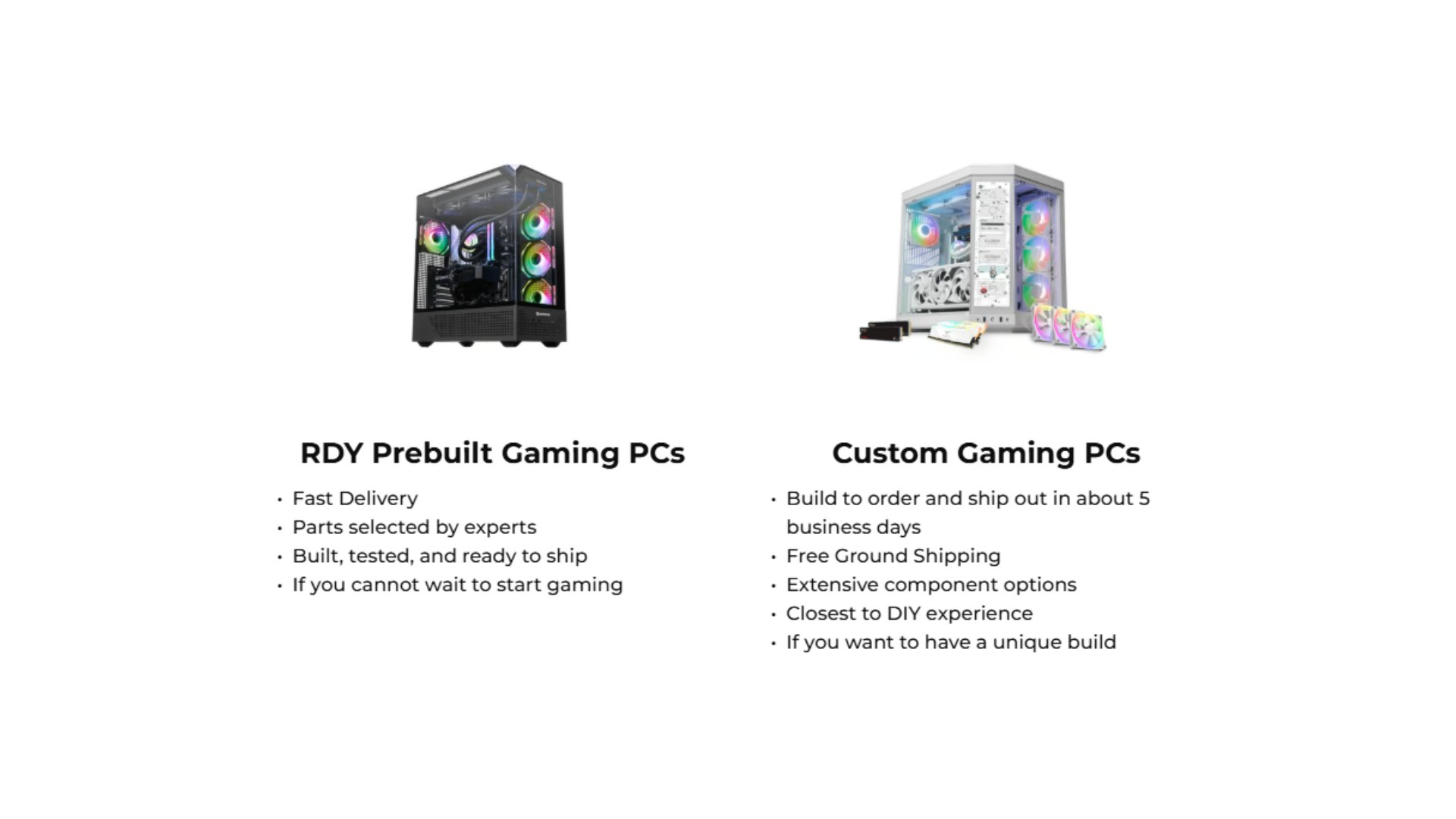
There is a common misconception that custom-built PCs always last longer than prebuilt PCs. In reality, a high-quality prebuilt PC offers comparable longevity thanks to professional assembly, tested configurations, and optimized cooling.
Custom PCs offer flexibility, but their longevity depends heavily on build quality and component choices. For many users, a prebuilt system provides the best balance of reliability, performance, and long-term value.
For users who want customization without complexity, our Gaming PC Builder allows you to select components while still benefiting from expert assembly and quality control.
Find the Right Prebuilt with the iBUYPOWER PC Lab
Choosing the right gaming PC does not have to be complicated. In addition to prebuilts and the Gaming PC Builder, iBUYPOWER offers the PC Lab, a guided experience designed to help you find the best prebuilt PC for your needs.
The iBUYPOWER PC Lab helps you find a system tailored to your needs. By answering a few quick questions about your favorite games, performance goals, and budget, you’ll receive personalized recommendations. No technical expertise required.
iBUYPOWER Makes PC Gaming Easy
PC gaming should be exciting, not overwhelming. iBUYPOWER focuses on making the entire process simple, from choosing the right system to setting it up and upgrading later.
Whether you select a prebuilt PC, customize a system using the Gaming PC Builder, or rely on the PC Lab for guidance, the goal is the same. Remove complexity and help you get into gaming faster.
PC gaming should be exciting—not complicated. iBUYPOWER focuses on simplifying the entire experience, from selecting the right components to future upgrades.
Whether you choose a prebuilt PC, customize your system, or use the PC Lab, every build is designed with:
Balanced performance across components
Efficient cooling and airflow
Upgrade-friendly configurations
This approach helps ensure your gaming PC remains reliable and relevant for years to come.
Industry-Leading Warranty for Peace of Mind
Longevity is not just about performance. It is also about protection.
iBUYPOWER gaming PCs are backed by an industry-leading warranty that protects your investment. If issues arise, you have access to dedicated support and coverage that makes the PC buying experience easier and safer.
This combination of performance, support, and protection helps ensure your gaming PC remains a reliable part of your setup for years to come.
Is a Gaming PC Worth It Long Term?
A gaming PC is one of the most flexible and long-lasting technology investments you can make. With proper maintenance, upgrade options, and strong warranty support, gaming PCs consistently deliver long-term value.
So, how long should a gaming PC last? The real answer is that it lasts as long as you’re willing to maintain and upgrade it.
When you choose a prebuilt PC from iBUYPOWER, use the Gaming PC Builder, or rely on the PC Lab to guide your decision, you get a system that grows with you as you play new games and your old favorites.
To stay updated on all things iBUYPOWER, follow us on our socials
Instagram iBUYPOWER
Facebook iBUYPOWERPC
TikTok @iBUYPOWER
Reddit /r/iBUYPOWER
Discord iBUYPOWER